

Here Comes the Judge
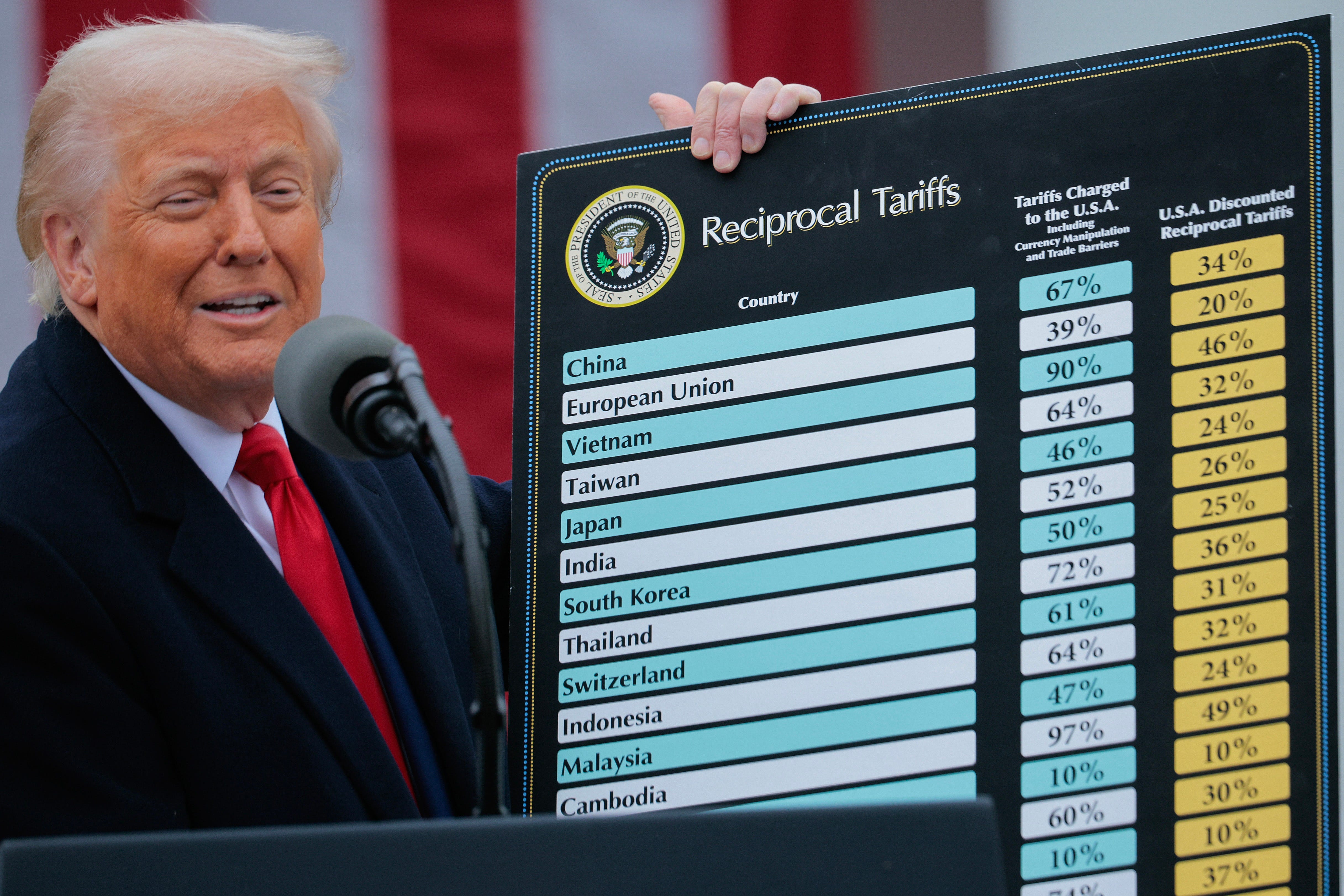
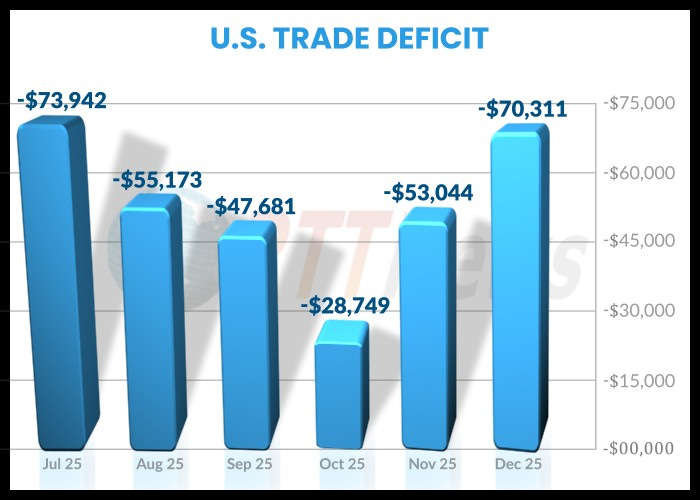
In a moment of rare clarity, the Supreme Court recently reminded the nation that when a president decides to single-handedly impose tariffs on imported goods, he is not exercising bold leadership — he is acting unconstitutionally. Notably, the Court didn’t bother debating whether tariffs are economically counterproductive, or whether they function as a tax on the very people they claim to protect. It also sidestepped the inconvenient detail that, since the tariffs took effect, America’s trade deficit has not shrunk as promised but has grown.
Instead, the ruling turned to the International Emergency Economic Powers Act (IEEPA), a statute intended to let a president temporarily exercise limited powers normally reserved for Congress — but only in the event of an actual national emergency. In this case, the president declared an imaginary emergency. Unsurprisingly, the Court concluded that invoking emergency powers without an emergency is unconstitutional.
This left the president searching for alternatives to continue imposing tariffs with minimal inconvenience. The first solution was to dust off an obscure statute that conveniently authorizes tariffs for 150 days — because when sweeping authority falls through, there is always fine print. This “solution” requires authorization by Congress in order to continue after 150 days. Presumably, the white house magicians will attempt to conjure new ways to tax the public in the meantime.
Perhaps the most interesting element of the Court’s decision lies in the detailed concurrence authored by the president’s own appointee, Neil Gorsuch. Gorsuch, long regarded as a diligent jurist with strong opinions about how the main purpose of our laws is to protect individual liberty, took the occasion to reaffirm that principle — even when it proves inconvenient to the executive who nominated him.
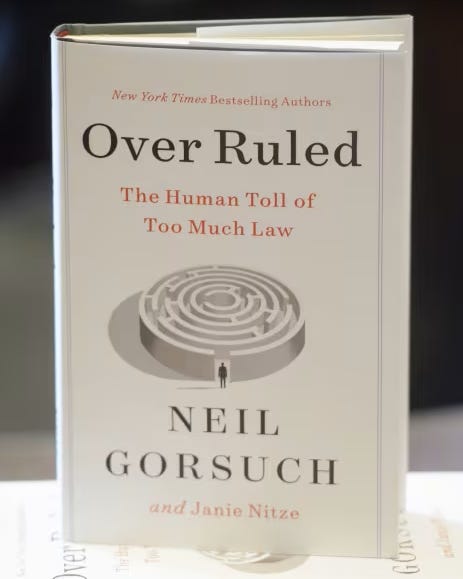
Gorsuch also authored a thoughtful book, Over Ruled, a slim volume detailing the ridiculous number of American laws that appear designed less to promote order than to manufacture misery. In it, he lists some of the most outdated and ill-considered regulations — the sort that can fine you, prosecute you, or even send you to prison, often for reasons no one can quite explain anymore.
In his concurrence, Gorsuch states his premise in no uncertain terms, “The Constitution lodges the Nation’s lawmaking powers in Congress alone”. He reminds us of the wisdom of the founding fathers to avoid placing too much power into the hands of a single chief executive.

He goes on to caution the court that the problem they cause by ceding congressional power may haunt them long into the future.
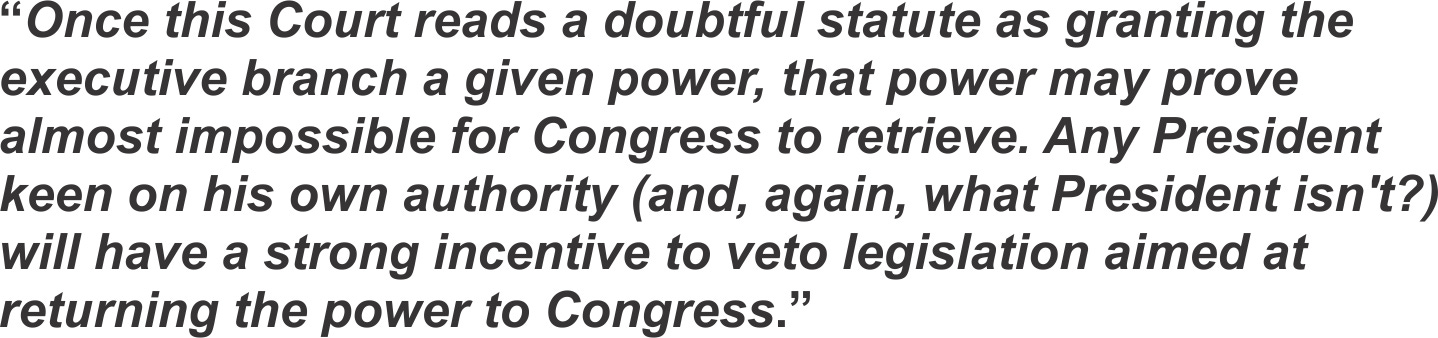
Later, the judge reminds Congress that the power of law resides within their own chambers, and to relinquish this power is not only foolish, but it avoids their constitutional duties. In fact, he reminds our representatives that the president’s own explanation concedes this.

Based on countless stump speeches, nearly all GOP members of Congress have solemnly proclaimed their devotion to free trade and their distaste for trade obstacles, including tariffs. Those convictions, however, tend to evaporate the moment political self-interest enters the room. The sudden change of heart is hardly mysterious: a powerful president could complicate primary challenges, and primary challenges threaten the perks of incumbency—a great salary, near-permanent employment, generous healthcare, and a guaranteed pension most Americans can only envy. To pretend that the muted opposition to tariffs rests on principle rather than political survival is, at best, an exercise in collective self-delusion.
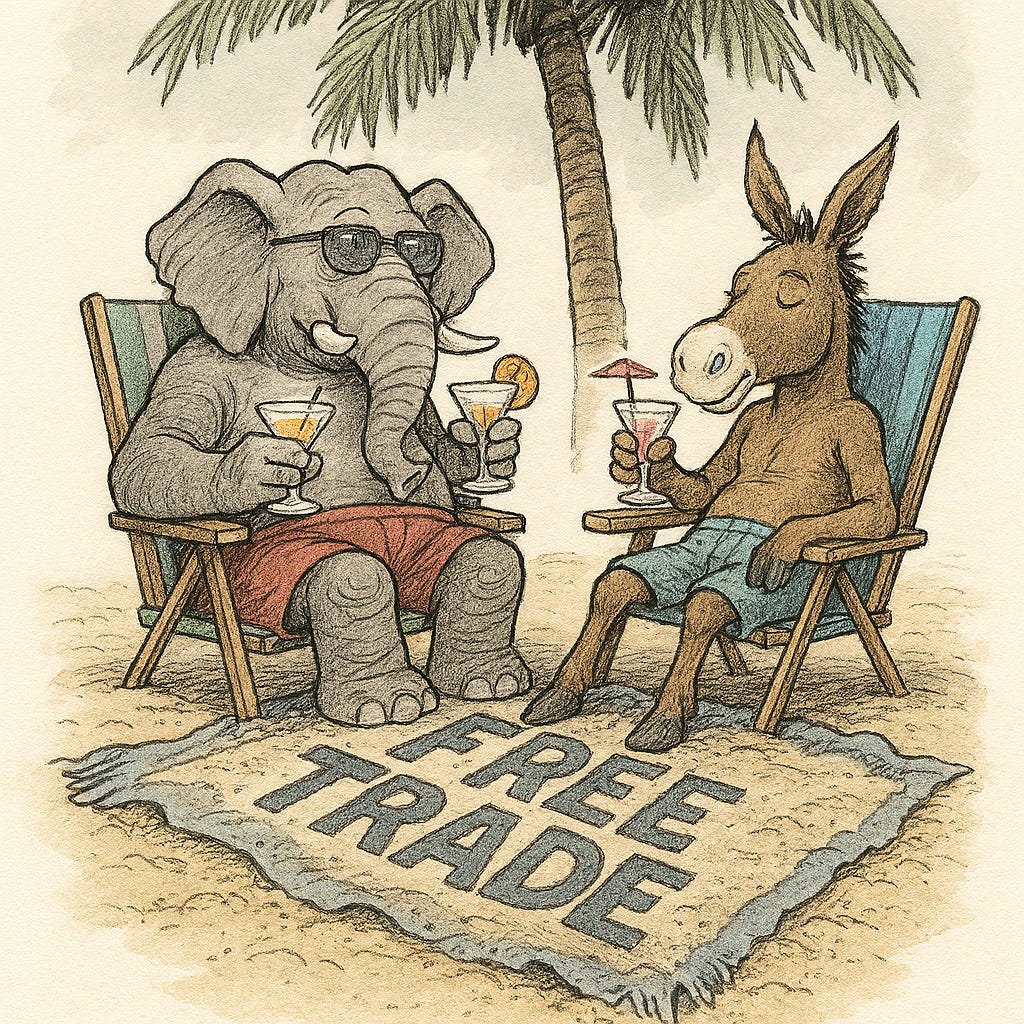
It took a supreme court judge to chastise our elected officials (and dissenting court members) that
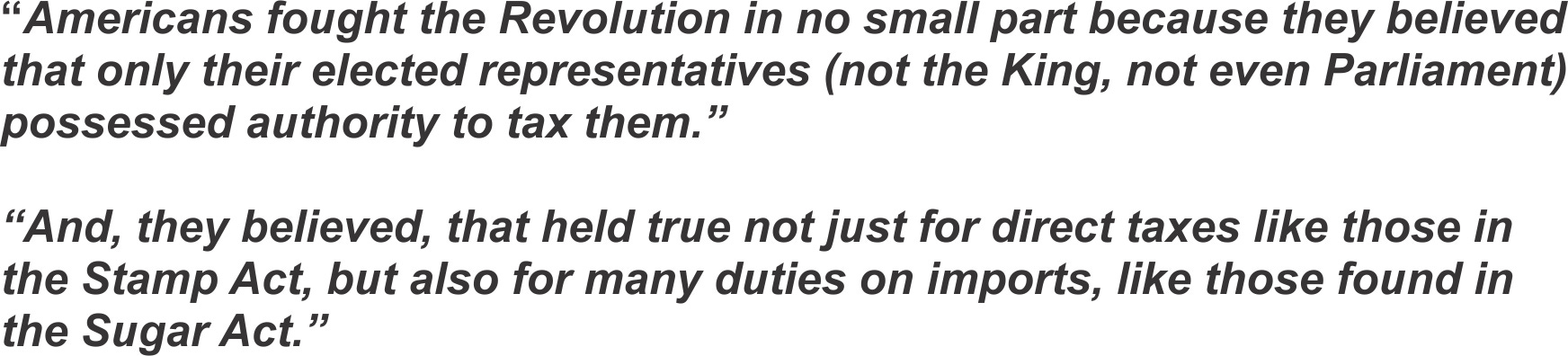
Gorsuch candidly observes that letting a president do whatever he wishes would make life wonderfully simple for our representatives—no tedious policy debates, no difficult votes, just the political equivalent of nodding along while the adults in the room do the work. It is an arrangement that saves energy and accountability in equal measure.
The work of Congress can be long, messy, and contentious. But that, says the judge, is the point:

He goes on to say:

Finally, Gorsuch issues a strong warning to our illustrious representative body:

Recent events in the city of Washington have generated a malodorous perfume that should be offensive to every one of us. Some of that unattractive odor has been generated within the Capitol building. It sometimes takes a learned member of the judiciary to point out what everyone else can already smell.
Reform Congress is a collaboration between Liz Terwilliger and Stephen Wahrhaftig.